

Essential Tips for Cleaner and Safer Cutting
If you're working with cutting tools, you know that dust is a huge nuisance. It not only clutters your workspace but also presents health risks.
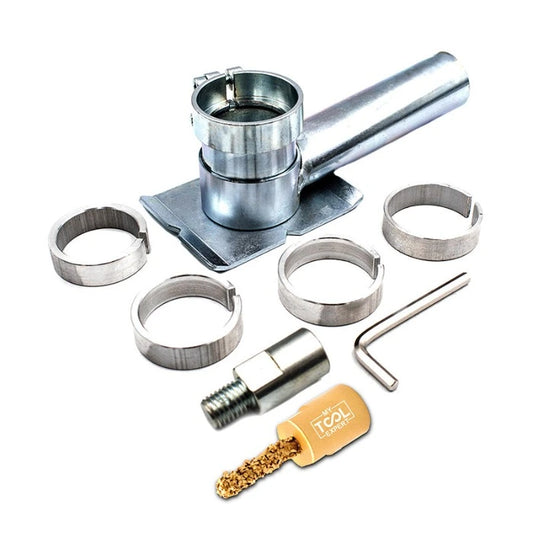
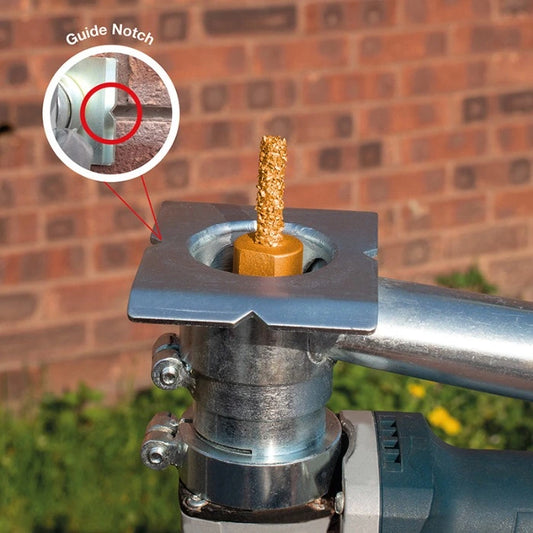
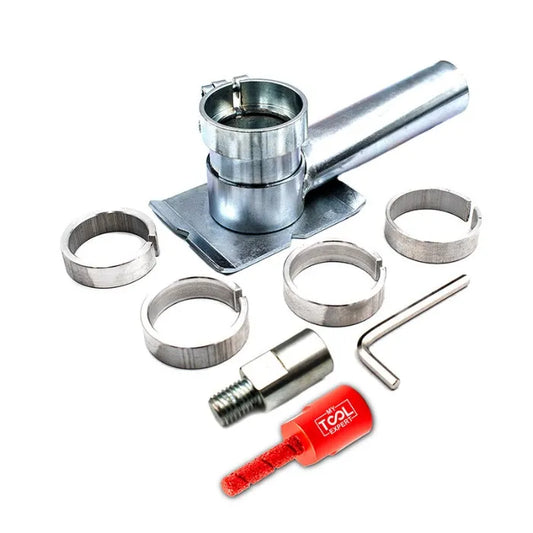
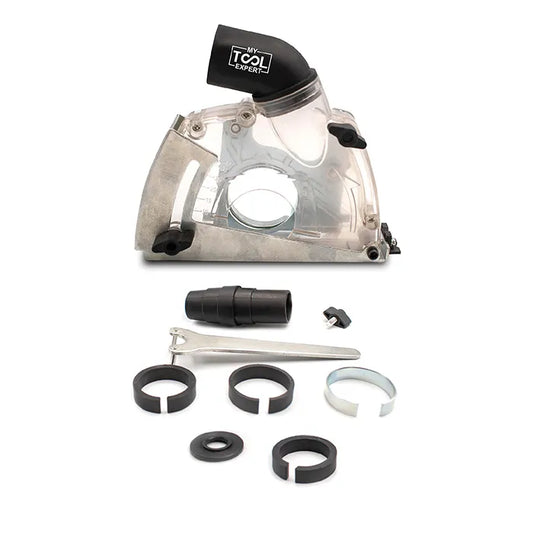
The Blade Dust Guard from My Tool Expert is designed to solve this issue, providing a cleaner, safer environment during your cutting tasks.
This post will guide you on how to use this innovative product to its full potential.
What is the Blade Dust Guard and Why Does it Matter?
The Blade Dust Guard is an attachment designed to collect and manage the dust that naturally occurs when using cutting blades. Whether you're working with tile saws, circular saws, or grinders, dust can quickly fill the air and settle on surfaces.
This isn't just a cleanliness issue—it’s a safety concern. Inhaling fine dust particles can be harmful over time, leading to respiratory issues. Plus, having a dust-free area makes your workspace more efficient and easier to manage.
How to Use the Blade Dust Guard
Here’s a step-by-step guide to using the Blade Dust Guard effectively:
1. Attach the Blade Dust Guard to Your Angle Grinder
- First, ensure your tool is compatible with the Blade Dust Guard. Most popular cutting tools have a standard size that fits this guard.
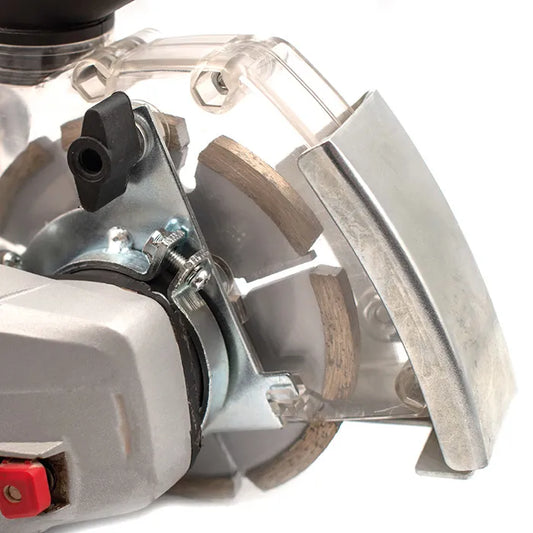
- Slide the guard over the blade housing. Make sure it is securely in place.
- Tighten any screws or clamps that come with the guard to ensure it doesn't loosen during use.
2. Connect the Dust Guard to a Vacuum
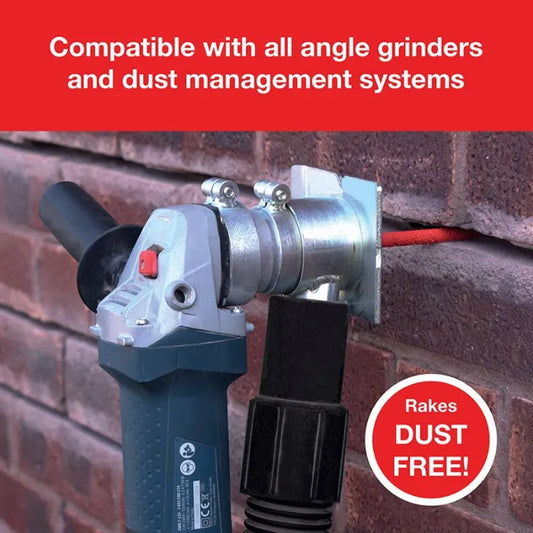
- Once attached to your tool, connect the dust port of the Blade Dust Guard to a vacuum system. This will ensure all the dust is extracted while you're cutting.
- A powerful vacuum system works best, as it will prevent dust from dispersing into the air.
3. Test the Setup
- Before you start cutting, run the tool with the dust guard and vacuum system in place.
- Ensure the vacuum is pulling in the dust efficiently, and check for any leaks or issues that could reduce suction.
4. Start Cutting
- Now, proceed with your cutting tasks. You’ll notice a significant reduction in airborne dust.
- The Blade Dust Guard will channel the dust directly into the vacuum, keeping your workspace clear.
5. Clean and Maintain
- After use, clean the dust guard to prevent buildup. This ensures it continues to work effectively over time.
- Regularly check the connections to your vacuum system to avoid any blockages.
Why You Should Care About Dust Management
Effective dust management isn’t just about keeping your workspace tidy. Dust, especially from materials like concrete, wood, or tile, can contain harmful particles that pose long-term health risks. By using the Blade Dust Guard, you're actively reducing your exposure to these particles, creating a safer work environment.
Furthermore, minimizing dust improves your cutting accuracy. Without dust clouding your vision or settling on surfaces, you can focus on precision, ensuring clean cuts every time.
Final Thoughts on the Blade Dust Guard
The Blade Dust Guard is a simple, yet highly effective solution for keeping your workspace clean and safe. Whether you’re a professional contractor or a DIY enthusiast, this tool helps you work more efficiently and with less mess.
Make sure to integrate this tool into your workflow to experience the full benefits of cleaner, safer cutting.